
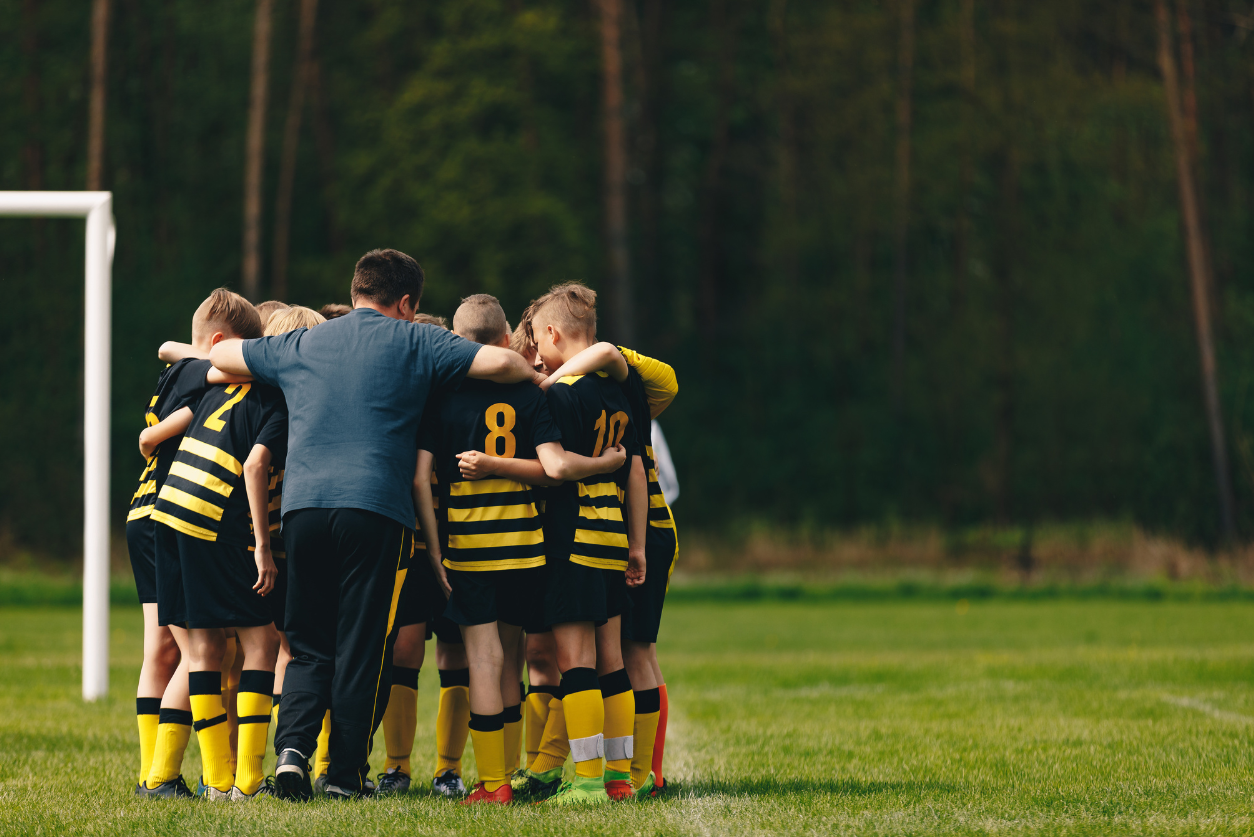
Mental game coaching is training for the mind in sports. A coach teaches athletes skills like focus, confidence, calm, and quick recovery from mistakes. It is not therapy or a pep talk. It is a structured plan that athletes practice, just like any physical skill.
That is the short answer. The rest of this guide explains how it works, what coaches actually teach, and how to know if your athlete needs it.
Introduction
Every athlete knows the feeling. Practice goes great. Then the game starts, the crowd gets loud, and the body stops cooperating.
The legs feel heavy. The hands shake. The mind races. The athlete plays tight, scared, or slow.
Parents see it. Coaches see it. The athlete feels it most of all.
Here is the hard truth. Most athletes train their bodies far more than their minds. They lift, run, hit, throw, and drill for hours. But they never train the part of them that handles pressure.
That gap is exactly what mental game coaching fills.
This guide is written for parents and athletes who are new to the mental side of sports. No jargon. No fluff. Just clear answers about what this work is, who it helps, and what to expect.
What Is Mental Game Coaching?
Mental game coaching is training for the mind in sports.
A mental game coach helps athletes build skills like focus, confidence, calm, and toughness. These skills are not fixed traits you are born with. They are habits. Like any habit, they can be taught, practiced, and improved.
This work is not therapy. It is not a pep talk. It is not someone telling an athlete to “just relax.”
It is a real process with real tools. A coach looks at what happens when an athlete competes. Then they build a plan to close the gaps.
Maybe the athlete loses focus after one bad call. Maybe they get quiet and scared after a mistake. Maybe they cannot sleep the night before a big game. Every problem points to a skill that can be trained.
The coach teaches that skill. The athlete practices it. Then the athlete uses it in games.
That is the whole idea. The mind is part of performance. So we train it like any other muscle.
How It Differs From Physical Coaching
Physical coaching builds the body. Mental training builds the mind. Both matter. Both need practice.
A strength coach teaches an athlete how to squat, jump, and sprint. They watch form and fix errors. They add weight over time.
A mental game coach works the same way. They watch how the athlete thinks under pressure. They find the weak spots. Then they teach better habits and check progress.
The difference is what gets trained. Physical coaching builds speed, power, and skill. Mental training builds attention, emotion control, and belief.
One more difference matters a lot. Physical coaches can see the problem. A weak arm or slow feet are easy to spot. Mental habits hide. An athlete can look calm on the outside and be panicking inside. That is why the mental side so often gets ignored.
But here is the key point. Physical talent only shows up when the mind lets it. A fast player who freezes does not look fast. A great shooter who doubts every shot stops shooting. The body needs the mind to unlock it.
Side by Side
| Mental Game Coaching | Physical Coaching | Sports Psychology | |
| What it trains | Thinking, focus, emotions | Strength, speed, skills | Performance and mental health |
| Main goal | Perform well under pressure | Build the body | Support the whole person |
| Typical tools | Routines, breathing, self-talk | Drills, lifts, conditioning | Talk therapy, assessments |
| Best fit for | Nerves, slumps, low confidence | Speed, power, injury recovery | Anxiety, mood, deeper concerns |
| Who delivers it | Mental performance coach | Strength or skills coach | Licensed psychologist |
Why the Mental Side Decides Games
Sports get harder as athletes climb. The higher the level, the smaller the gap in talent.
In youth sports, the best athlete often wins. By high school, most athletes are strong and skilled. By college, almost everyone is. So what separates them? The mind.
Think about a free throw. The court, the ball, and the distance never change. The pressure does. The same shot can feel easy in an empty gym and terrifying with the game on the line.
Sport psychology research points to the same conclusion again and again. Anxiety, self-doubt, and worry pull performance down. Confidence, focus, and composure lift it up. The mental side is not a small detail. It is often the deciding factor.
This is why athletes who train their minds often pass athletes who only train their bodies.
What Mental Game Coaches Actually Teach
Mental training covers a set of skills. Here are the ones athletes use most.
Confidence
Confidence is not a feeling that shows up by luck. It comes from proof. A coach helps athletes build confidence through preparation, past wins, and honest self-talk.
One tool is a confidence file. The athlete writes down real moments when they succeeded. Before a game, they read it. This reminds the brain of what is true, not what fear says.
Focus
Focus means choosing what to pay attention to. Most athletes try to focus on everything. That is impossible.
A coach teaches athletes to narrow their attention. A hitter watches the pitcher’s release. A golfer picks one target. A goalie locks onto the ball. Simple cues beat crowded thoughts.
Concentration
Concentration is focus that lasts. It is the ability to stay locked in for a whole game, not just one play.
Coaches train concentration with short, repeatable routines. A routine gives the brain one job at a time. That keeps attention from drifting to the scoreboard, the crowd, or the last mistake.
Handling Nerves and Stress
Nerves are normal. Even pros feel them. The goal is not to remove nerves. The goal is to use them.
A coach teaches breathing skills. Slow breathing calms the body. It lowers the heart rate and quiets the mind. Athletes also learn to reframe nerves. That racing heart is not fear. It is the body getting ready to compete.
Stress management matters off the field too. School, family, and social pressure all show up in competition. When athletes learn to settle their stress, their sport gets easier.
Resetting After Mistakes
Mistakes happen in every game. The best athletes are not mistake-free. They just recover faster.
A coach helps athletes build a reset routine. It might be a breath, a cue word, or a small move like clapping or pulling up a sleeve. The routine becomes a signal. It tells the brain, “That play is over. Next play.”
Self-Talk
The voice in an athlete’s head can help or hurt. “I always mess up” is a habit. So is “Next play, I’m ready.”
A coach helps athletes catch negative self-talk and replace it with useful words. This is not fake positivity. It is honest, direct, and helpful language.
Visualization and Imagery
Visualization means practicing in the mind. Athletes picture themselves making the play, over and over. The brain treats these pictures like real reps.
Imagery helps athletes prepare for pressure without wearing out the body. It also helps during injury recovery, when real reps are not possible.
Goal Setting
Coaches help athletes set goals that actually work. Big dreams matter, but daily actions win games. A coach turns a big goal into small steps the athlete can do this week.
Good goals are specific and measurable. “Get better” is a wish. “Ten minutes of free-throw reps before practice” is a plan.
Mental Toughness
Mental toughness is not about being loud or never hurting. It is about staying steady when things go wrong.
Athletes build toughness by facing hard moments with a plan. A coach helps them tap into real motivation and find their “why.” Athletes who know why they play handle hard days better.
Team and Coach Dynamics
Sports are social. Teammates, coaches, and parents all affect an athlete’s mind.
A coach helps athletes speak up, handle conflict, and stay steady when a coach is tough on them. These skills help on the field and in life.
Mindfulness
Mindfulness sounds fancy, but the idea is simple. It means paying attention to right now.
An athlete who is stuck in the last play or worried about the next one is not competing. Mindfulness brings them back to the present. It pairs well with breathing and pregame routines.
What This Looks Like by Sport
The skills are the same. The moment they show up changes by sport.
Baseball and softball. A hitter takes a bad swing, then has to hit again in three minutes. The reset routine matters more than the swing fix. A pitcher who walks one batter can either settle or spiral.
Basketball. A shooter misses two in a row and stops shooting. That is not a shooting problem. It is a confidence problem. Free throws are the clearest pressure test in sports.
Soccer. One bad pass can make a player hide for the rest of the game. Coaches work on staying brave, asking for the ball, and letting go of the last play.
Golf and tennis. These are individual pressure sports. There is nowhere to hide. Nerves, self-talk, and pregame routine carry enormous weight.
Gymnastics, wrestling, and track. Short, high-stakes moments. One routine, one match, one race. Visualization and breathing do heavy lifting here.
Signs Your Athlete May Need Help
Many families wait too long. They think the problem will fix itself. Sometimes it does. Often it does not.
Look for these signs:
• The athlete plays great in practice but struggles in games.
• One mistake ruins the rest of the game.
•The athlete gets nervous days before a competition.
• Confidence drops fast after a loss or a bad play.
• The athlete talks badly about themselves.
• Focus disappears when someone is watching.
• The athlete avoids big moments instead of wanting them.
• A slump lasts longer than a few games.
One or two of these signs is normal. A pattern is a signal. A pattern means the athlete needs a skill, not a lecture.
What a Session Actually Looks Like
Sessions are simple. They are usually one-on-one and last about an hour. Many coaches also work online, so location is not a problem.
The first session starts with questions. The coach asks about the sport, the goals, and the struggles. They want details. When does the problem show up? What does the athlete feel? What do they say to themselves?
Then the coach explains what is happening. Most athletes feel relief here. They learn their problem has a name, and other athletes have it too.
Next comes the plan. The coach teaches one or two skills. They show the athlete how to practice them. Then the athlete tries them in practice and games.
The next session checks in. What worked? What did not? The coach adjusts.
No two athletes get the same plan. A pitcher with nerves needs different tools than a gymnast who fears injury. That is why a custom plan beats a generic program.
Why Starting Young Matters
Young athletes are still learning who they are. That makes this the best time to build mental skills.
Kids who learn to handle nerves at twelve carry that skill for life. Kids who learn to reset after mistakes do not fear failure as much. They take more risks. They grow faster.
There is another reason. Youth sports get more intense every year. Tryouts, travel teams, rankings, and college dreams arrive earlier than ever. The pressure is real.
Without mental skills, that pressure can hurt. It can cause burnout, quitting, or years of playing scared. With mental skills, the same pressure becomes a chance to grow.
These tools also help off the field. The skills work in school, at work, and in relationships. Focus, calm, and bounce-back are life skills.
Five Myths That Hold Athletes Back
Myth 1: It is only for athletes with problems. False. Strong athletes use it too. It is a way to get an edge, not a sign of weakness.
Myth 2: It is just positive thinking. False. It is a set of trained skills. It includes planning, practice, and feedback.
Myth 3: Athletes are born mentally tough. False. Toughness is built. Some athletes start ahead, but everyone can improve.
Myth 4: It takes years to work. Not true. Many athletes feel a change in a few sessions. Big shifts take longer, just like physical training.
Myth 5: It is the same as therapy. No. Mental training targets performance. If an athlete needs deeper mental health care, a good coach refers them to the right professional.
How Parents Can Help
Parents have a big role. Here is how to support the mental game at home.
Ask better questions. Instead of “Did you win?” ask “Did you compete hard?” and “What did you learn?”
Let the coach coach. During games, cheer. Save the teaching for practice.
Normalize nerves. Tell your athlete that nerves mean they care. Then remind them of their tools.
Praise effort and choices. “You reset fast after that error” beats “You’re so talented.”
Watch your own words. Athletes hear how parents talk about mistakes. Model calm.
Give space after losses. A quiet ride home can be a gift.
Small changes at home make coaching work faster.
How It Fits With Sports Psychology
People often mix these up. They are related, but they are not the same.
Mental training focuses on performance skills. It helps athletes handle pressure, focus better, and build confidence. It stays in the world of sport.
Sports psychology is broader. It can cover performance too, but it also covers mental health. Anxiety, depression, trauma, and eating concerns belong there.
Both can help. The right choice depends on the athlete. If the issue is mostly about game-day pressure, mental training is often the fit. If the athlete is struggling in daily life, deeper support may be needed first.
Good coaches know the difference. They also know when to hand off. That honesty protects the athlete.
Frequently Asked Questions
What is mental game coaching in one sentence? It is training for the mind in sports, where a coach teaches athletes skills like focus, confidence, calm, and quick recovery from mistakes.
Who is it for? Athletes of almost any age and level, from middle school to college to pros. It helps athletes who struggle under pressure, and it also helps strong athletes who want an edge.
How is it different from a pep talk? A pep talk lasts a day. Mental training builds habits that last a season. It uses practice, feedback, and a written plan.
How many sessions does an athlete need? There is no set number. Many athletes notice a change in one to three sessions. Real habits usually take six to twelve sessions spread across a season.
Does the coach need to watch practices or games? Usually no. Individual sessions happen in an office or online. Team and group training can include on-site work if that is agreed on up front.
What if my athlete needs more than performance help? That is a good question to ask early. A qualified coach will tell you when an athlete needs a licensed mental health professional, and will help you find one.
How much does it cost? Pricing varies by coach and region. Ask about session rates, packages, and whether a free consultation is available before you commit.
What Results Should You Expect?
Results depend on the athlete and the work. Here is a realistic picture.
First one to three sessions. The athlete understands the problem. They learn a few tools. Nerves often feel less scary.
Four to eight sessions. Skills start to show in practice. The athlete resets faster. Self-talk improves.
A full season. Skills become habits. Coaches and parents notice a calmer, steadier athlete.
Progress is not a straight line. Some games will still be hard. That is normal. The goal is a better trend, not a perfect record.
Getting Started
If your athlete shows the signs above, do not wait for a slump to end on its own. Start with a simple step.
Talk to your athlete. Ask what feels hardest in competition. Listen more than you talk.
Then look for a coach with real training. A Certified Mental Performance Consultant (CMPC) completes graduate-level study in sport and performance psychology through the Association for Applied Sport Psychology. That means the coaching is based on research, not guesswork.
Ask about the plan. A good coach will explain how they work, how many sessions they suggest, and how they measure progress. They will also be clear about what they do not do.
At Launch Sports Performance, athletes work with a Certified Mental Performance Coach on skills like confidence, focus, and pressure control. Sessions are one-on-one, in person or online. There are no contracts and no minimum number of sessions. That makes it easy to try.
Final Thoughts
The mind is not separate from performance. It is part of performance.
That is the whole case for mental game coaching. It teaches athletes how to focus, stay calm, and bounce back. It turns practice talent into game-day results.
Every athlete has a body and a mind. Most only train one. The athletes who train both are the ones who compete free, play with confidence, and stay in the sport they love.
Your athlete does not have to figure this out alone. Start with one conversation. Then get the right help.
Train the mind, and watch everything change.