
Featured Posts
-

Neurofeedback for Athletes in Tulsa: Complete Guide
It is the last minute. Your legs feel strong. Your lungs feel fine. But your head is loud. You worry about a mistake. You think about the crowd. You replay your last bad play. Then the moment passes. You miss it. Most athletes know this feeling. They train the body for hours. They lift. They…
-

Sports Psychology: Play Calm Under Pressure
The lights are bright. The crowd is loud. Your name is called, and your body changes fast. Your heart beats harder. Your hands feel shaky. You may know your sport well, but one thought keeps coming back: What if I mess up? That feeling is common in sports. It can happen before a youth game,…
-

Mental Game Coaching for Game Day Anxiety
Game day can bring excitement, pride, and energy. It can also bring a racing heart, shaky hands, a tight stomach, or a mind that will not slow down. These feelings can show up before a big playoff game, a first start, a tryout, or even a regular-season contest. They can happen to athletes of every…
All Blog Posts
-

What to Expect in a Neurofeedback Session
You want to train hard, compete with confidence, and stay sharp when the moment matters. Yet focus, sleep, stress, and recovery can all affect how you feel in training and in daily life. If you are curious about neurofeedback, you may wonder what actually happens in a session. Is it painful? Do you have to…
-
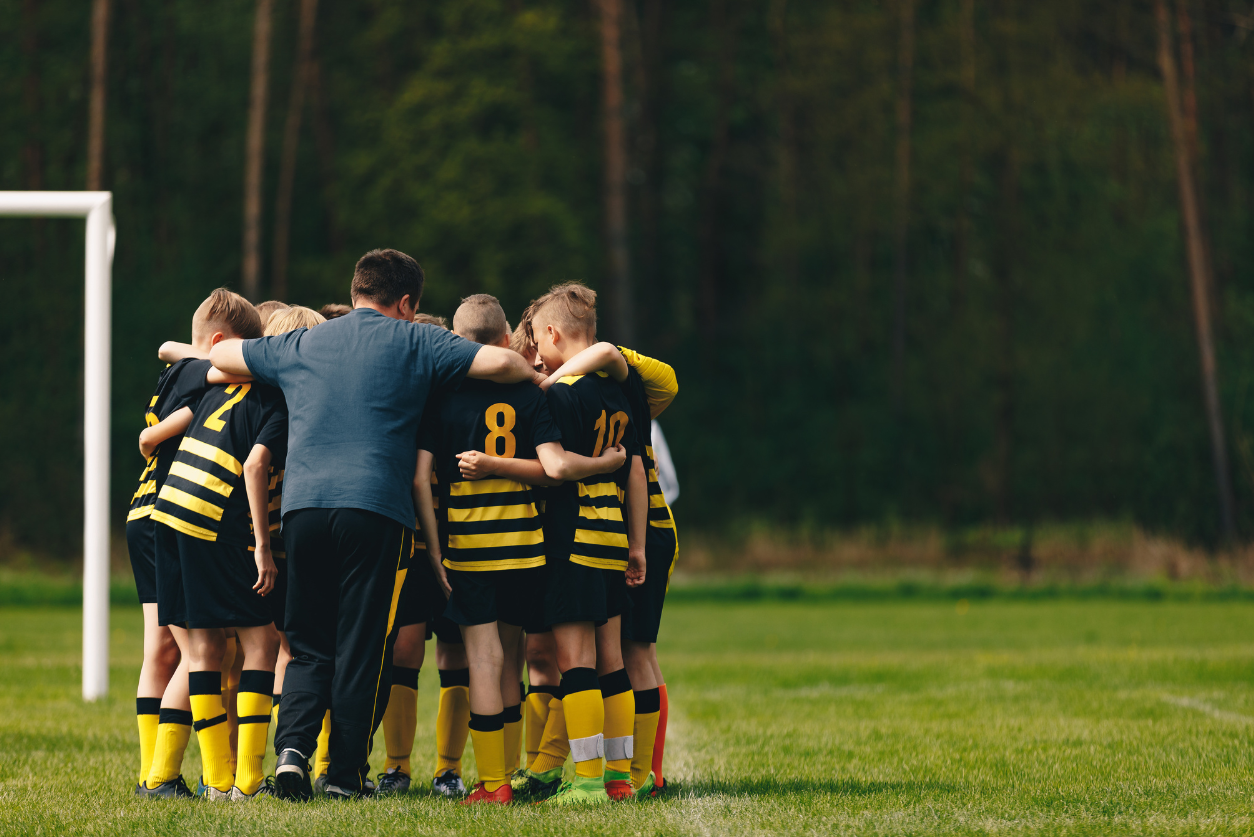
What Is Mental Game Coaching and Why Athletes Need It
Mental game coaching is training for the mind in sports. A coach teaches athletes skills like focus, confidence, calm, and quick recovery from mistakes. It is not therapy or a pep talk. It is a structured plan that athletes practice, just like any physical skill. That is the short answer. The rest of this guide…
-

Sports Psychology Tips for Parents of Young Athletes
Young athletes need more than strong legs, quick hands, or a fast swing. They also need a steady mind. They need to know that one mistake does not define them. They need to feel safe after a hard loss. They need adults who help them learn, not adults who add more pressure. That is where…
-
Mental Game Coaching Beats “Toughing It Out”
An athlete misses an easy shot, makes one error, or feels nervous before a big game. What happens next can change the rest of the day. Too often, the answer is, “Shake it off,” “Be tougher,” or “Try harder.” Those words may come from a good place. Coaches and parents want athletes to be strong.…
-

Neurofeedback for Better Focus in Sports
A baseball hitter steps into the box after a bad at-bat. A softball pitcher feels the crowd get louder with runners on base. A golfer stands over a short putt and starts thinking about the last hole instead of this one. These athletes do not always need more effort. Many already work hard. The problem…
-

Sports Psychology for Injury Recovery
An injury can stop practice, games, and workouts in one moment. It can also change how an athlete feels about their body, team, and future. A runner may worry that every step will hurt again. A soccer player may fear a hard cut. A basketball player may feel left behind while teammates keep playing. That…
-

How Parents Support Mental Game Coaching
Playing sports is one of the best experiences a middle or high school student can have. It teaches teamwork, hard work, and how to handle competition. But there is a side of sports that does not get enough attention — the mental game. Mental game coaching helps athletes train their minds just like they train…
-
Neurofeedback: The Key to Better Athletic Performance
When we think of athletic training, we usually picture weight rooms, running tracks, and endless hours of physical practice. Athletes push their bodies to the limit to run faster, jump higher, and hit harder. But what if the secret to better performance is not in the muscles, but in the brain? Welcome to the world…