
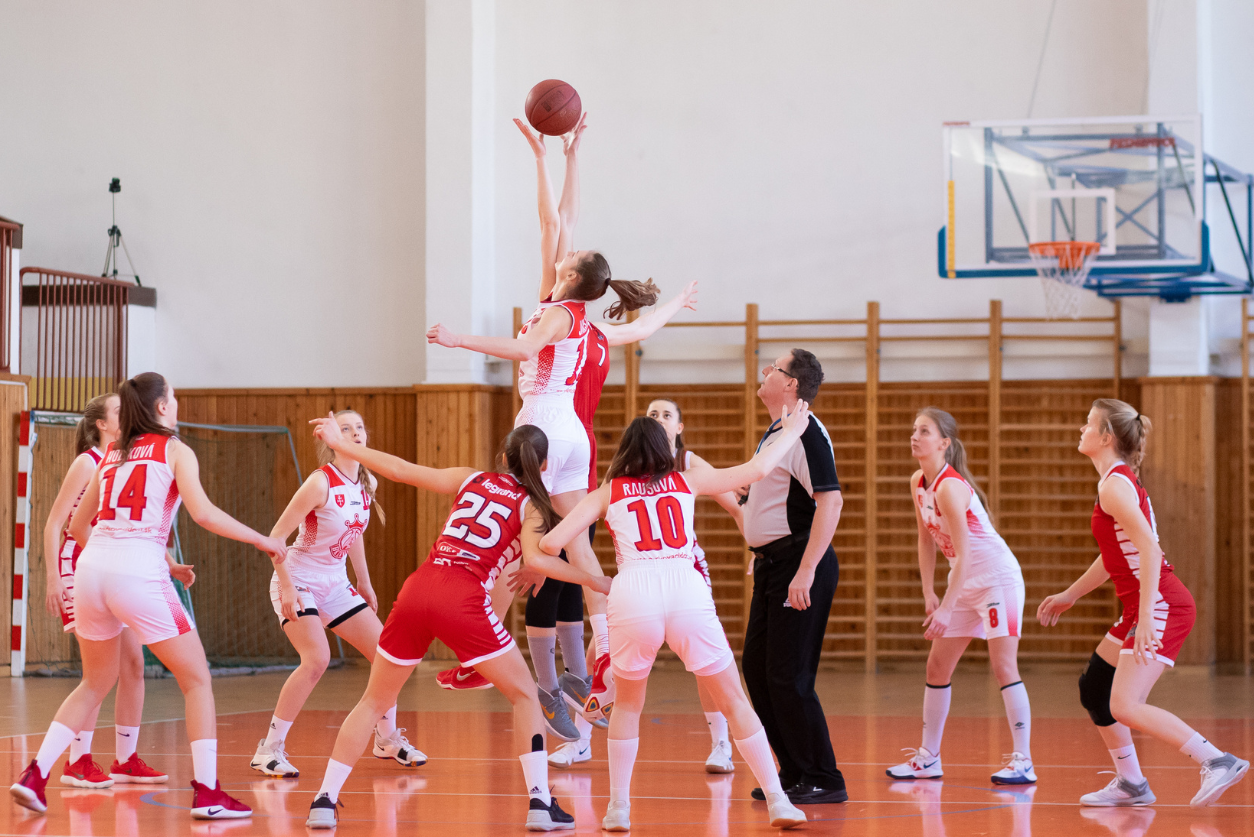
The lights are bright. The crowd is loud. Your name is called, and your body changes fast. Your heart beats harder. Your hands feel shaky. You may know your sport well, but one thought keeps coming back: What if I mess up?
That feeling is common in sports. It can happen before a youth game, a high school rivalry, a college tryout, or a big tournament. It can happen to a starter, a bench player, a team captain, or an athlete returning from an injury. It can happen in football, softball, basketball, wrestling, soccer, track, gymnastics, golf, and every other sport.
Sports psychology gives athletes tools for these moments. It helps athletes understand how thoughts, emotions, attention, and habits affect performance. It teaches skills that help an athlete stay steady, focus on the next job, and trust the work they have done.
At Launch Sports Performance, mental performance coaching is practical and individualized. Athletes learn strategies to manage pressure, improve focus, work through negative self-talk, and build confidence they can use in training and competition. These skills are especially helpful for athletes in Tulsa and across Oklahoma, where packed stands, travel teams, school pride, recruiting events, showcases, and rivalry games can make each competition feel huge.
The goal is not to remove every nervous feeling. A little energy can help you feel alert and ready. The goal is to know what to do when nerves become too strong. With steady practice, you can turn pressure into a chance to compete with purpose.
What Is Sports Psychology?
Sports psychology looks at the mental side of performance. It helps athletes learn how to manage their thoughts, feelings, attention, and behavior in sport. It is not only for professional athletes. Young athletes, high school athletes, college athletes, coaches, parents, and teams can all use sports psychology skills.
A sports psychology approach does not promise a perfect game. No one can control every bounce, call, opponent, or final score. Instead, it helps you focus on what you can control. You can control your effort. You can control your preparation. You can control your breathing, body language, and response after a mistake. You can control how you return to the next play.
Common sports psychology skills include goal setting, breathing, imagery, focus cues, routines, self-talk, and support from trusted people. These skills are trainable. Just like a jump shot, a sprint start, or a swing, mental skills improve when you practice them on a regular basis.
Sports psychology can also help athletes understand their own patterns. Maybe you play better when you feel calm. Maybe you need a little more energy before a race. Maybe you lose focus after an error. Maybe you play tight when a coach is watching. When you learn your patterns, you can make a useful plan instead of hoping your nerves disappear.
Why Athletes Feel Pressure on Game Day
Pressure often shows up when something matters. You may want to win for your team. You may want to earn more playing time. You may want to impress a coach, a parent, or a scout. You may worry about a ranking, a scholarship, an injury, or a big mistake. These concerns can make one moment feel much bigger than it really is.
In Oklahoma, many athletes grow up in a strong sports culture. Friday night football, district games, state tournaments, club teams, and summer showcases can bring real excitement. They can also bring extra attention. A young athlete may feel like everyone is watching every move. That is a heavy feeling to carry into a game.
Sometimes an athlete starts thinking too far ahead. They may think, “We have to win,” “I cannot strike out,” or “If I miss this shot, I will let everyone down.” These thoughts point toward outcomes. Outcomes matter, but they are not fully in your control. You cannot control the other team, the officials, the weather, or every result.
Sports psychology helps athletes shift from an outcome focus to a task focus. Rather than thinking, “I have to make this free throw,” a player can think, “Set my feet. Breathe. Follow through.” Rather than thinking, “I cannot lose this match,” a wrestler can think, “Stay in my stance. Move my feet. Attack the next opening.” A smaller task gives the mind something useful to do.
Understand Your Body’s Stress Signal
Anxious feelings can show up in the body, in the mind, or in both places. In the body, an athlete may feel a fast heartbeat, sweaty hands, a dry mouth, shaky legs, tight muscles, or a sick feeling in the stomach. In the mind, an athlete may worry about failure, replay a past mistake, or lose attention during a key moment.
These feelings can be uncomfortable, but they do not always mean you are in trouble. Your body is preparing you to meet a challenge. It is sending energy to help you act. Stress becomes less helpful when your thoughts make the feeling bigger or when your attention leaves the task.
“When they’re at their best, athletes are focused on just being in the moment and executing their job. They’re not worrying about outcomes, how important a particular moment is, or what could go wrong.” — Kelli Moran-Miller, Stanford Sport Psychology
Try changing the story you tell yourself. Instead of saying, “I am nervous, so I will play badly,” say, “My body is ready. I know my job.” You do not need to pretend that pressure feels easy. You only need to stop treating normal energy as proof that you cannot perform.
Every athlete has a personal level of energy that feels best. Some athletes need more energy to feel sharp. Others need to slow down to stay in control. Notice how your body feels when you have a strong practice or a good game. Then notice what happens when you feel too flat or too tense. This information helps you choose the right sports psychology tool before anxiety gets too big.
Use a Reset Breath Before the Next Play
Breathing is a simple sports psychology skill that helps athletes slow down after pressure rises. When people feel nervous, they often take short breaths, rush their breathing, or hold their breath. That can make the body feel even tighter. A slow exhale can help you settle and return your attention to the task.
Try this reset breath before a serve, a free throw, an at-bat, a snap, a penalty kick, a routine, or the start of a race.
1. Breathe in through your nose for a count of three.
2. Breathe out slowly for a count of five.
3. Let your shoulders drop as you breathe out.
4. Look at a useful target and say one short focus cue.
You can change the count if it feels better. The main idea is to let the exhale last a little longer than the inhale. This gives your body a signal to settle. Then, instead of staying inside your worry, move your attention to something you can see or do.
For example, a softball pitcher can breathe, look at the catcher’s glove, and say, “Hit the spot.” A basketball player can breathe, look at the front of the rim, and say, “Smooth.” A soccer player can breathe, look at the ball, and say, “First touch.” A runner can breathe, look ahead, and say, “Tall and strong.”
Do not save this tool for a championship game. Use it during drills. Use it before class presentations or tests. Use it when you are waiting for your turn. The more often you use the reset breath, the easier it will be to use under pressure.
Change Negative Self-Talk Into a Useful Cue
Your inner voice can shape your performance. Under pressure, many athletes hear harsh thoughts such as, “Do not miss,” “You always mess up,” or “Everyone is watching.” These thoughts are not useful instructions. They pull attention toward fear.
Sports psychology does not ask you to pretend every moment is perfect. It asks you to use a message that helps you act. This is called instructional self-talk. It is a short phrase that tells you what to do right now. Good focus cues are simple, clear, and active.
A basketball player might say, “Feet set. Finish.” A baseball hitter might say, “See it. Drive it.” A volleyball player might say, “High toss. Fast arm.” A football player might say, “Read. React. Go.” A gymnast might say, “Strong and steady.” A golfer might say, “Pick the target. Commit.”
Choose one cue that fits your role. Keep it short enough to say in one breath. Write it on a wristband, in a phone note, or on the inside of your gear bag. Then use it at practice. Your mind will learn to connect that cue with a useful action.
You also need a cue for mistakes. After an error, missed shot, bad call, or rough play, say, “Next play,” “Reset,” “Back to work,” or “Learn and move.” The point is not to ignore what happened. You can review it later. During competition, your job is to get ready for what happens next.
Create a Simple Game-Day Routine
A game-day routine is a set of small steps you repeat before competition. It gives your mind something familiar to follow when the day feels important. A routine does not need to be long or special. It needs to be easy to repeat.
Start the night before. Pack your gear early. Check the location and start time. Eat food that has worked well for you before. Do not try a new meal, new supplement, or new warmup on a big day. Give yourself enough time to sleep. Sleep, food, movement, and supportive relationships create a stronger base for dealing with stress.
On game day, arrive with enough time to settle in. Choose music that helps you feel right for the moment. For some athletes, calm music helps. For others, upbeat music builds energy. Avoid scrolling through posts that make you compare yourself to other athletes. Save your attention for your own plan.
Pick one or two process goals for the day. A process goal is an action you control. A basketball player may choose to talk on defense. A softball player may choose to run hard through first base. A soccer player may choose to win the first challenge. A swimmer may choose to hold clean turns. These goals help your mind stay close to the work.
Then make a short routine for your key moment. A free-throw shooter might bounce the ball twice, take one breath, look at the rim, and shoot. A tennis player might turn away after a point, adjust the strings, take a breath, choose a target, and serve. A pitcher might step behind the mound, breathe, get the sign, and commit to the pitch.
Use the same routine in practice. That is how sports psychology becomes part of your game instead of something you only remember when you feel nervous.
Use Imagery to Rehearse Success and Recovery
Imagery is another sports psychology tool. It means practicing a skill in your mind. You picture yourself in a real competition setting, doing a useful action with control and purpose. It is not only about imagining a perfect result. It is also about imagining a steady response when something gets hard.
Find a quiet spot for two or three minutes. Take a slow breath. Picture the place where you compete. See the court, field, track, mat, pool, or gym. Notice the sounds and sights. Then picture yourself doing one skill well. Feel your feet move. Hear your cue word. See yourself stay calm and focused.
A hitter can picture stepping into the box, seeing the ball clearly, swinging with control, and running hard. A volleyball player can picture missing a serve, taking one reset breath, and serving the next ball with confidence. A football player can picture hearing a loud crowd, using a cue, and doing the right assignment. An athlete coming back from injury can picture moving with control and trusting the plan set by their care team.
Keep the image realistic. You do not need to picture a game with no mistakes. Picture yourself responding well to a mistake. That is a powerful skill. Mental imagery, relaxation, goal setting, and self-talk are all common methods used to help athletes handle anxiety and pressure.
Focus on the Next Play, Not the Final Score
A game can feel overwhelming when your mind tries to carry everything at once. You may think about the score, rankings, scouts, college offers, family, coaches, and next week’s schedule. That is too much for one moment.
Sports psychology helps you make the moment smaller. Ask yourself, “What is my job on the next play?” The answer should be short and physical. Get low. Call the ball. Read the hitter. Finish the turn. Box out. Keep the pace. Run through the line.
This is called task focus. It means giving attention to what you can do now instead of what might happen later. Task focus does not mean the score is not important. It means you give yourself the best chance by doing the next right action.
Use this three-step reset when your mind drifts: notice, name, return. First, notice that your mind has gone to the last mistake or a future result. Second, name it: “That is a worry,” or “That is the last play.” Third, return to your cue: “See the ball,” “Quick feet,” or “Next pitch.”
This practice takes only a few seconds. It may seem simple, but it builds control over your attention. With practice, you will get better at returning to the present instead of getting stuck in a worry.
Make a Plan for Mistakes
Every athlete makes mistakes. Great athletes are not great because they never make errors. They are great because they recover, learn, and compete again. A sports psychology plan can help you make that recovery faster.
Create a quick mistake plan before you need it. First, allow one breath to feel the moment. Second, use a small physical action to reset. You might brush your hands together, tap your glove, adjust your wristband, step behind a line, or look at a fixed spot. Third, say your reset cue and move your eyes to the next task.
A basketball player’s plan could be: miss a shot, turn and sprint back on defense, then say, “Stop next.” A baseball player’s plan could be: make an error, take one breath, tap the glove, and say, “Field the next one.” A swimmer’s plan could be: have a poor start, settle into the stroke, and say, “Long and strong.”
Keep your game-time response short. You do not need a long speech in your head. You need a fast return to action. After the game, you can review what happened with a coach, parent, or mental performance professional. During the game, the next play deserves your attention.
Help Young Athletes Build Healthy Confidence
Sports psychology is not only for athletes. Parents and coaches influence how athletes feel about pressure. A young athlete who believes love, respect, or belonging depends on winning may carry fear into every game. Adults can lower that fear while still expecting effort and growth.
Before competition, ask questions about the athlete’s plan. Try, “What do you want to focus on today?” or “What will you do if the game gets tough?” These questions build ownership. Avoid putting extra pressure on the athlete with comments about who is watching, how important the game is, or what the athlete must prove.
After competition, give the athlete time to breathe before reviewing the game. Start with care. You might say, “I enjoy watching you compete,” “I am proud of your effort,” or “Do you want to talk now or later?” When they are ready, ask what they learned and what they want to improve.
Coaches can help by teaching mental routines during practice, praising a strong response after mistakes, and explaining roles clearly. When athletes know that communication, effort, and recovery matter, they are more likely to take healthy risks. Launch Sports Performance also supports teams by strengthening communication, trust, and performance culture.
Know When to Seek Extra Support
Most athletes will have normal game-day nerves from time to time. These feelings can often improve with practice, routines, and support. However, an athlete may need more help if anxiety stops them from enjoying sport, affects sleep or school, causes panic, leads them to avoid practice or competition, or lasts long after the game ends.
Extra support can also be helpful after an injury. Athletes may feel worried about getting hurt again or unsure if they can trust their body. These fears deserve attention. A thoughtful plan can help an athlete return with more confidence and care.
Mental performance coaching can help athletes learn sports psychology skills for confidence, focus, pressure, and recovery. A licensed mental health professional can help when anxiety affects daily life or feels too big to manage alone. These supports can work together. Asking for help is a smart training choice, not a sign of weakness.
Launch Sports Performance works with athletes from middle school through professional levels. Sam Hale is a Certified Mental Performance Consultant, and Kristen Hale is a Licensed Professional Counselor and board-certified neurofeedback provider. Their work brings together practical mental skills and individualized support for athletes who want to grow on and off the field.
Take the Next Step With Launch Sports Performance
You train your body so you can run, throw, jump, hit, lift, and move with skill. Train your mind so you can use those skills when the moment gets big.
Start with three simple steps this week. Choose one reset breath. Choose one focus cue. Choose one short pre-game routine. Practice them during normal training, not only before a big competition. After each game, write down what helped and what you want to try next time.
If pressure, worry, or negative self-talk keeps showing up, you do not have to work through it alone. Launch Sports Performance provides practical sports psychology and mental performance coaching for Oklahoma athletes who want to manage pressure, build confidence, and focus on what they can control.
The goal is simple: play with greater calm, trust your preparation, and be ready for the next play.