
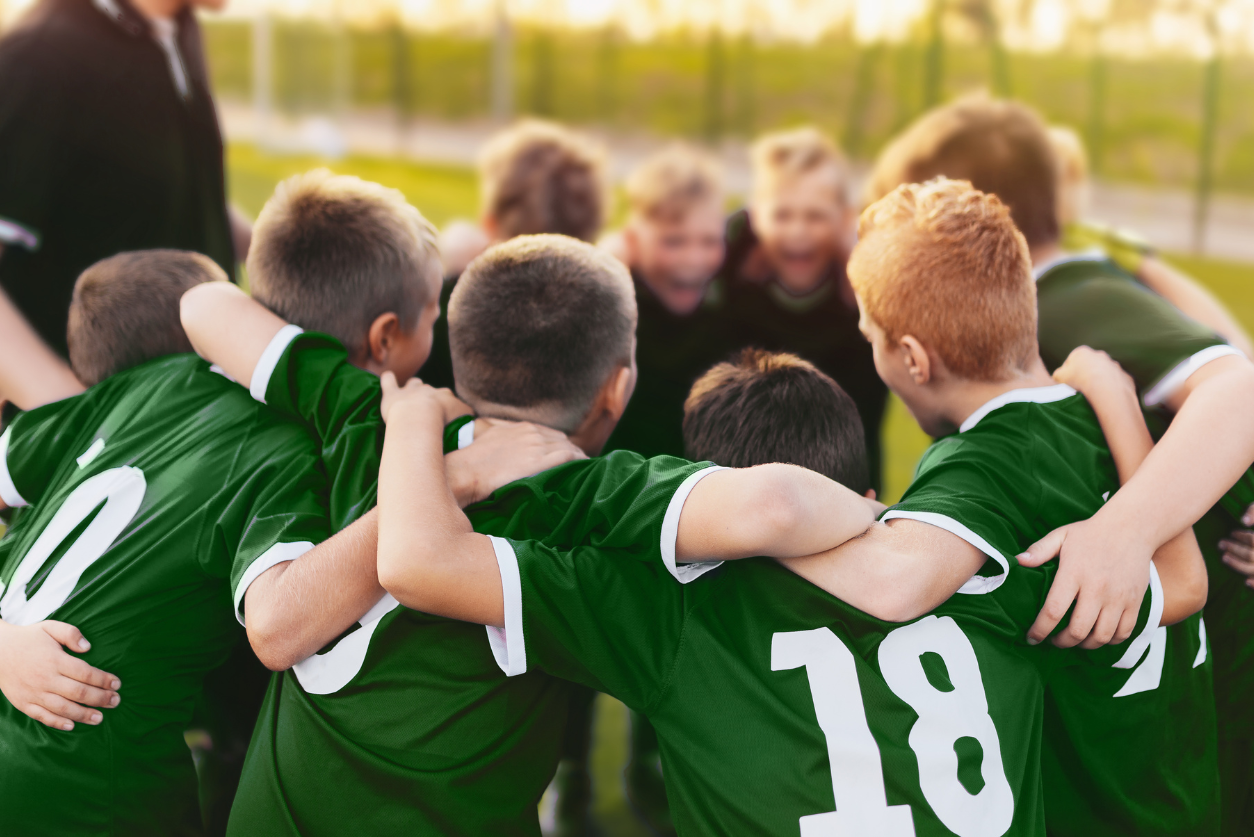
Playing sports is one of the best experiences a middle or high school student can have. It teaches teamwork, hard work, and how to handle competition. But there is a side of sports that does not get enough attention — the mental game. Mental game coaching helps athletes train their minds just like they train their bodies. It teaches them how to stay focused, handle pressure, and bounce back after a bad game.
Coaches work hard to teach these mental skills at practice. But what happens when your child comes home? That is where you come in. As a parent, you have more influence over your child’s mental game than you might think. Your words, your reactions, and your attitude all send powerful messages. This guide will show you exactly how to support mental game coaching at home — without adding extra pressure.
What Is Mental Game Coaching?
Mental game coaching is a type of training that focuses on the mind. It helps athletes build skills like confidence, focus, and resilience. These are not skills athletes are simply born with. They are skills that can be learned and practiced, just like dribbling a basketball or throwing a pitch.
For middle and high school athletes, the mental side of sports matters a lot. They face pressure from coaches, teammates, and sometimes parents. They worry about making mistakes and letting people down. Mental game coaching gives them tools to handle all of this. It teaches them how to use positive self-talk, set goals, and stay calm under pressure.
When parents understand what mental game coaching involves, they can reinforce it at home. If a coach is teaching your child to focus on effort rather than the score, you can do the same. This kind of teamwork between parents and coaches creates a powerful support system for young athletes.
The Problem with High Expectations
Every parent wants their child to do well. That is completely natural. But there is a big difference between being supportive and placing high expectations on your child. When expectations are too high, they can turn into pressure — and pressure can hurt performance.
Young athletes often internalize what their parents say. If you tell your child, “You should win this game easily,” you might think you are showing confidence in them. But your child may hear it as a requirement. If they do not win easily, they feel like they have let you down. That fear of disappointing you can make it very hard to play freely and with confidence.
Research shows that high expectations from parents are one of the biggest sources of stress for young athletes. When athletes feel they need to be perfect to please their parents, they become anxious. They stop taking risks. They play it safe instead of playing their best.
Mental game coaching teaches athletes to focus on the present moment — one play at a time. When they are worried about the final score or what you will think, they cannot focus on what is right in front of them. As a parent, one of the most powerful things you can do is remove that pressure.
Shifting to a Growth Mindset
A growth mindset is the belief that skills improve with effort and practice. Parents can encourage a growth mindset by praising effort over results. Instead of saying, “Great job winning today,” try saying, “I’m so proud of how hard you worked out there.” This small shift makes a huge difference.
When you focus on effort, you teach your child that mistakes are okay. You teach them that losing does not mean they are a failure. It means they have something to learn and work on. This is the foundation of mental game coaching — and it starts with you.
How to Talk After a Tough Loss
One of the hardest moments for any sports parent is watching their child deal with a tough loss. Your first instinct might be to fix things. You might want to point out what went wrong or offer advice. But right after a game, emotions are running high. This is not the time for a coaching session.
Give Them Space First
The best thing you can do right after a tough loss is simply be present. You do not need to say much. A simple, “I love watching you play,” is often the most powerful thing a parent can say. It tells your child that your love and support are not tied to the score. It gives them a safe space to feel their emotions without fear of judgment.
Let your child lead the conversation. If they want to talk, listen. If they need silence, give them that. Forcing a conversation before they are ready can make them feel worse, not better. Respect their process.
Ask Open-Ended Questions
When your child is ready to talk, use open-ended questions. These are questions that cannot be answered with just “yes” or “no.” Try asking things like:
• “What did you think about the game today?”
• “How did you feel out there?”
• “What is one thing you want to work on?”
These questions encourage your child to reflect on their experience. They help develop self-awareness, which is a key skill in mental game coaching. By asking questions instead of giving answers, you empower your child to think for themselves. You help them take ownership of their growth.
Find the Positives
Even in a tough loss, there are usually positive moments. Maybe your child made a great play, showed great sportsmanship, or kept fighting until the final whistle. Point those moments out. Remind them of what they did well.
This does not mean ignoring what went wrong. It means building a foundation of confidence before addressing areas for improvement. Mental game coaching always starts with the positive. When athletes feel good about what they did right, they are more open to learning from their mistakes.
Building Mental Resilience at Home
Mental resilience is the ability to bounce back from setbacks. It is one of the most important skills an athlete can have — and it is also one of the most important life skills a person can develop. Parents play a huge role in building this resilience.
Normalize Mistakes
Mistakes are a normal part of sports. Even the best athletes in the world make them. As a parent, you need to make it clear that mistakes are okay. When your child makes an error, do not show frustration or disappointment. Instead, help them see it as a learning opportunity.
Ask them, “What can you learn from that?” or “How will you handle that differently next time?” This approach takes the fear out of failure. It teaches your child that mistakes do not define them. What matters is how they respond.
Model Resilience Yourself
Children learn by watching their parents. If you want your child to be resilient, you need to show them what resilience looks like. How do you handle setbacks in your own life? Do you get frustrated and give up, or do you stay calm and keep going?
Share your own stories of overcoming challenges. Talk about a time when something did not go your way and how you bounced back. This shows your child that everyone struggles sometimes. It teaches them that resilience is a skill that can be built over time — and that you believe in it too.
Encourage Independence
Mental game coaching teaches athletes to take control of their own minds. Parents can support this by encouraging independence. Let your child pack their own gear, talk to their coach when they have a concern, and set their own goals.
When you solve every problem for your child, you take away their chance to build confidence. By letting them handle challenges on their own, you show them that you believe in their abilities. This builds the kind of self-reliance that leads to real mental toughness.
Reinforcing Mental Game Principles at Home
To truly support your child’s mental game, you need to reinforce the principles they are learning from their coaches. Here are the key areas to focus on.
Positive Self-Talk
The way athletes talk to themselves has a huge impact on their performance. Mental game coaching teaches athletes to replace negative thoughts with positive, empowering ones. Instead of “I always mess up,” they learn to say, “I will keep working and get better.”
Parents can reinforce this by modeling positive self-talk at home. If you catch yourself saying something negative about your own abilities, correct it out loud. Help your child notice when they are being hard on themselves. Encourage them to replace those thoughts with something more helpful.
Process Over Outcome
Mental game coaching always emphasizes the process over the outcome. The process includes the daily habits that make an athlete better — hard work at practice, good sleep, healthy eating, and a positive attitude. The outcome is the final score, which is often outside an athlete’s full control.
Parents can support this by praising the process. When your child comes home from practice, ask how hard they worked. Praise their dedication and consistency. When you value the process, you help your child focus on what they can control — and that is where real growth happens.
Pre-Game Routines
Many athletes use pre-game routines to get in the right mindset. A routine might include listening to a specific playlist, doing a certain warm-up, or spending a few minutes visualizing success. These routines help athletes feel calm, focused, and ready to compete.
As a parent, you can support your child’s routine by respecting it. If they need quiet time before a game, give them that space. Avoid piling on last-minute advice or instructions. Let them follow their process. Trust that the mental preparation they are doing is working.
Practical Mental Tools to Practice at Home
Beyond mindset shifts and communication, there are hands-on tools that parents and athletes can practice together at home. These are the same tools used in mental game coaching, and they become more powerful with regular practice.
Goal Setting
Help your child set SMART goals — Specific, Measurable, Achievable, Relevant, and Time-bound. Instead of a vague goal like “I want to get better,” a SMART goal would be “I want to improve my sprint time by 0.5 seconds over the next four weeks by doing speed drills three times a week.” This gives your child a clear target and a plan to reach it. It also keeps them focused on growth rather than just results.
Visualization and Mental Rehearsal
Visualization is a powerful tool used by elite athletes around the world. It involves creating a vivid mental picture of a successful performance. Encourage your child to spend a few minutes each day visualizing themselves succeeding in their sport. They should try to imagine the sights, sounds, and feelings of playing their best. This mental rehearsal helps build confidence and prepares the brain for real competition.
Mindfulness and Breathing Exercises
Learning to stay calm under pressure is a core skill in mental game coaching. Mindfulness and breathing exercises can help athletes manage their emotions in high-stress moments. Teach your child a simple technique called “box breathing”: inhale for four counts, hold for four counts, exhale for four counts, and hold for four counts. Practicing this at home means they will be able to use it during a tense moment in a game.
How Launch Sports Performance Can Help
At Launch Sports Performance, we know that the mental game is just as important as the physical game. Our mental game coaching programs are built for middle and high school athletes who want to perform at their best. We teach athletes how to build confidence, handle pressure, and stay focused when it matters most.
But we also know that coaches cannot do it alone. Parents are a critical part of the process. When parents and coaches are on the same page, athletes grow faster. They feel supported from every direction. They learn to trust the process and enjoy the journey.
If you are a parent of a young athlete, we invite you to get involved. Learn about the mental game coaching principles we teach. Talk to our staff. Ask questions. The more you understand, the more you can help your child at home. Together, we can build athletes who are not just physically strong, but mentally tough — and ready for whatever comes their way.
Conclusion
Supporting your child’s mental game is one of the greatest gifts you can give them as a sports parent. It is not about being the loudest voice in the stands or pushing them to be perfect. It is about being a steady, supportive presence that helps them grow.
By managing your expectations, communicating with care after a tough loss, and reinforcing the tools of mental game coaching at home, you give your child a real advantage. You help them build the resilience, confidence, and focus they need to succeed — not just in sports, but in life.
Mental game coaching is a journey, and you are a big part of it. Be patient. Be consistent. Celebrate the effort, not just the outcome. With your support, your child can develop the mental strength to reach their full potential and enjoy every step of the way.