
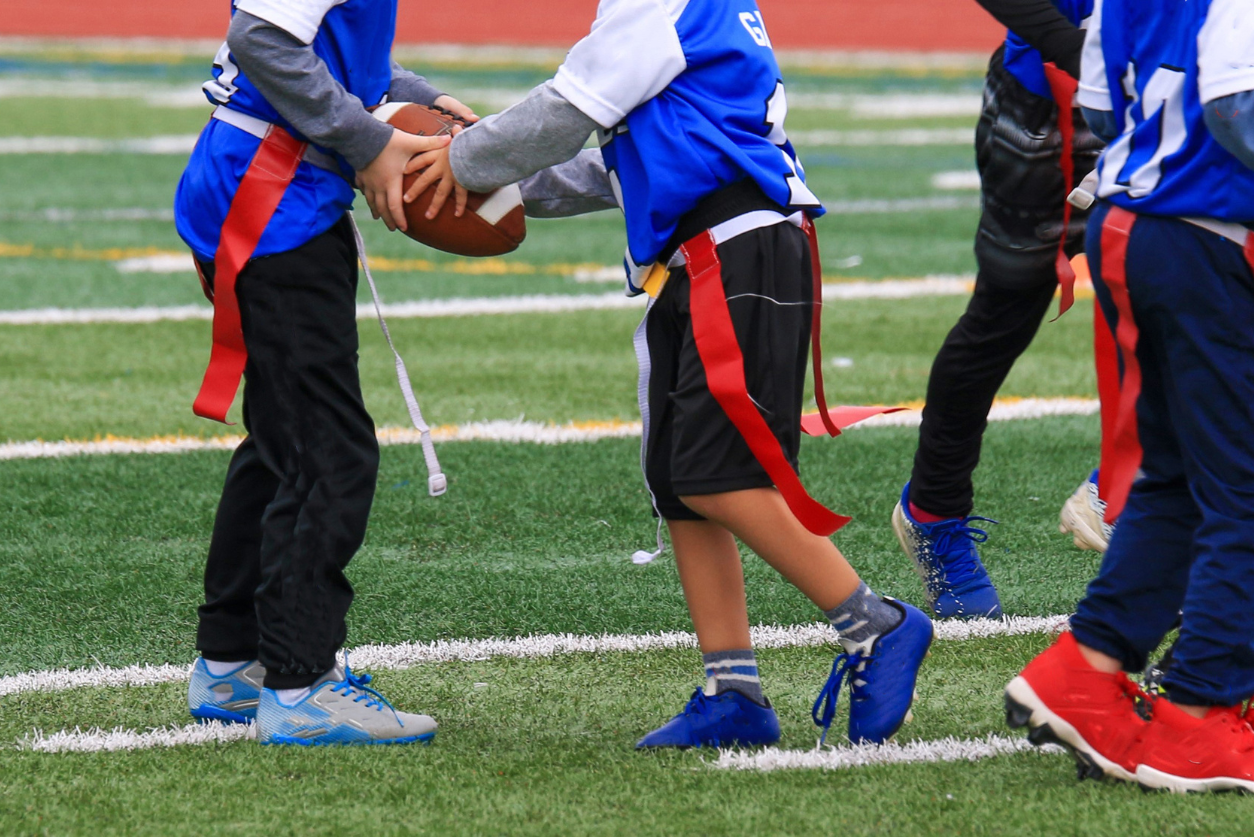
When you watch a great sports team, what do you see? You see players moving together. You see them making smart plays. You see them supporting each other. But what you cannot see is just as important. The unseen part is the team’s mental game. Mental game coaching is the secret tool that turns a group of players into a strong team.
At Launch Sports Performance, we know that sports are not just about physical skill. We have worked with many athletes, from middle school players to college stars. My wife Kristen and I started Launch Sports Performance because we saw athletes struggling.
They had the physical skills, but they needed help with the mental part of their sport. Today, we will look at how mental game coaching helps teams build trust, talk better, and win more.
What is Mental Game Coaching?
Mental game coaching helps athletes and teams improve their minds. It is like lifting weights for your brain. Just as you practice passing or shooting, you can practice thinking. A mental game coach helps you focus better, build confidence, and stay calm under pressure.
For a single athlete, mental game coaching might mean learning to stop negative thoughts. It might mean setting good goals. But for a team, mental game coaching is different. It shifts the focus from one person to the whole group. It is about how the team thinks and acts together.
As a Certified Mental Performance Consultant (CMPC), I help teams learn how to work as one unit. We use science-based methods to improve team dynamics. We look at how players treat each other. We look at how they handle stress. And most importantly, we look at how they communicate.
The Power of Trust on a Team
Trust is the foundation of any good team. Without trust, a team will fall apart when things get hard. Think about a basketball team in a close game. If the point guard does not trust the center to catch the pass, they will not make the play. If a soccer goalie does not trust the defenders, they will second-guess every move.
Mental game coaching helps build this trust. Trust means believing that your teammates will do their jobs. It means knowing they have your back. When players trust each other, they play faster and looser. They are not afraid to make mistakes.
How do we build trust? It starts with shared goals. Every player must agree on what the team is trying to do. If one player just wants to score points, and another wants to win the championship, there will be problems. A mental game coach helps the team set shared goals.
Trust also comes from understanding roles. Every player has a job to do. Some players are stars who score a lot. Other players play strong defense. Some players cheer from the bench. Every role is important. Mental game coaching helps players accept their roles. When everyone knows their job and does it well, trust grows.
Better Communication Means Better Play
Have you ever watched a team where no one talks? It is usually a quiet, losing team. Good teams talk all the time. They call out plays. They warn each other about the other team. They cheer each other on. Communication is the glue that holds a team together.
But communication is not just talking. It is also listening. It is understanding body language. Mental game coaching teaches players how to talk and listen better.
One big part of communication is feedback. How do players talk to each other when someone makes a mistake? Do they yell? Do they roll their eyes? Or do they offer help? A mental game coach teaches positive communication. We teach players how to give helpful feedback. We also teach them how to receive feedback without getting angry.
For team captains, communication is a huge job. Captains must lead by example. They must encourage their teammates. They must also be the link between the players and the coach. Mental game coaching gives captains the tools they need to lead well. It teaches them how to read the mood of the team. It teaches them what to say to fire the team up or calm them down.
Solving Conflicts on the Team
Put twenty athletes together every day, and they will fight. It is normal. People get tired. They get stressed. They disagree. Conflict is a part of sports. But how a team handles conflict is what matters.
There are two main types of conflict on a team. The first is performance conflict. This is when players disagree about how to play the game. Maybe they disagree on a play call. Maybe they disagree on how hard to practice. This type of conflict can actually be good. It can lead to better ideas and better play, if it is handled well.
The second type is relationship conflict. This is when players just do not like each other. They might fight about things outside of sports. This type of conflict is bad for a team. It ruins trust and communication.
Mental game coaching helps teams handle both types of conflict. We teach players how to talk through their problems. We teach them how to stay calm when they are mad. We help them see things from the other person’s point of view.
Sometimes, a mental game coach acts as a referee for the team’s problems. We sit down with the players who are fighting. We help them talk it out. We make sure everyone gets to speak. And we help them find a solution. When a team learns how to solve conflicts, they become much stronger. They learn that they can get through hard times together.
Creating a Winning Culture
Culture is a big word in sports today. Every coach wants a “winning culture.” But what does that mean? Team culture is how the team acts when the coach is not looking. It is the habits and attitudes of the players.
A strong culture does not happen by accident. It must be built on purpose. Mental game coaching is a great way to build team culture.
At Launch Sports Performance, we help teams decide what kind of culture they want. Do they want to be known as the hardest working team? Do they want to be known as the smartest team? Once they decide, we help them build habits to match.
One important part of culture is accountability. This means holding each other to a high standard. If a player is late to practice, what happens? In a bad culture, nothing happens. In a good culture, the teammates speak up. They remind the player that being late hurts the team. Mental game coaching teaches players how to hold each other accountable in a respectful way.
Another part of culture is how the team handles failure. Every team will lose games. Every team will have bad practices. How do they react? Do they blame each other? Or do they learn from it and move on? Mental game coaching teaches resilience. It teaches teams how to bounce back from tough times.
The Role of the Coach and Captain
Coaches and team captains have the biggest impact on team culture. They are the leaders. The team will follow their example. If the coach is always yelling and angry, the team will be stressed. If the captain is lazy, the team will be lazy.
Mental game coaching is not just for the players. It is for the coaches and captains, too. We help coaches understand how their words and actions affect the team. We teach them how to communicate better with their players. We help them build a positive environment.
For captains, we provide leadership training. Being a captain is hard. You are a player, but you are also a leader. Sometimes you have to be tough on your friends. Mental game coaching helps captains find the right balance. It teaches them how to be strong, caring, and consistent.
We often tell captains about the “3 C’s” of leadership: Caring, Courageous, and Consistent. A good captain cares about their teammates. A good captain has the courage to speak up when things are wrong. And a good captain is consistent every day. They do not have wild mood swings. They bring the same hard work to every practice.
Real Results from Mental Game Coaching
You might be wondering, does mental game coaching really work? The answer is yes. Studies show that teams with strong mental skills perform better. They win more games. They have fewer injuries. And they enjoy playing more.
When players trust each other, they make fewer mistakes. When they communicate well, they play faster. When they know how to handle conflict, they do not waste energy fighting. All of this leads to better performance on the field, court, or track.
At Launch Sports Performance, we have seen the results firsthand. We have watched teams that were fighting turn into champions. We have seen quiet players become great leaders. We have seen coaches learn how to connect with their players in new ways.
One of the best things about mental game coaching is that it helps athletes in life, too. The skills you learn in sports—trust, communication, problem-solving—are the same skills you need in school and at work. When we teach a team how to work together, we are teaching them how to be successful adults.
How to Get Started with Mental Game Coaching
If you are a coach or a team captain, you might be ready to try mental game coaching. How do you start?
First, you need to find a qualified professional. Look for someone who is a Certified Mental Performance Consultant (CMPC). This means they have the right education and training. At Launch Sports Performance, we have the experience and the credentials to help your team.
Next, you need to talk to your team. Explain what mental game coaching is. Tell them it is not because they are “crazy” or “weak.” Tell them it is a tool to help them get better. Just like lifting weights makes their muscles stronger, mental game coaching makes their minds stronger.
Then, you can schedule a team session. We offer on-site consultations at your facility. We can come to your practice and watch how your team interacts. We can lead team-building activities. We can teach specific mental skills, like visualization or goal setting.
Mental game coaching is an investment in your team’s future. It takes time and effort. But the payoff is huge. You will have a team that trusts each other, communicates well, and fights for each other. You will have a team that is mentally tough and ready to win.
Conclusion: The Unseen Advantage
In sports, everyone is looking for an edge. Teams practice harder. They watch more film. They buy better equipment. But the biggest advantage is often unseen. It is the mental game.
Mental game coaching is the key to unlocking your team’s full potential. It builds the trust and communication needed for success. It helps resolve conflicts and creates a winning culture. It empowers coaches and captains to lead with confidence.
At Launch Sports Performance, we are dedicated to helping athletes and teams reach their goals. We bring decades of experience in sports, psychology, and leadership. We know what it takes to build a great team.
If you want to take your team to the next level, do not ignore the mental game. Start building trust today. Start improving communication. Start working on the unseen skills that make champions. Your team will thank you, and the results will show on the scoreboard.