
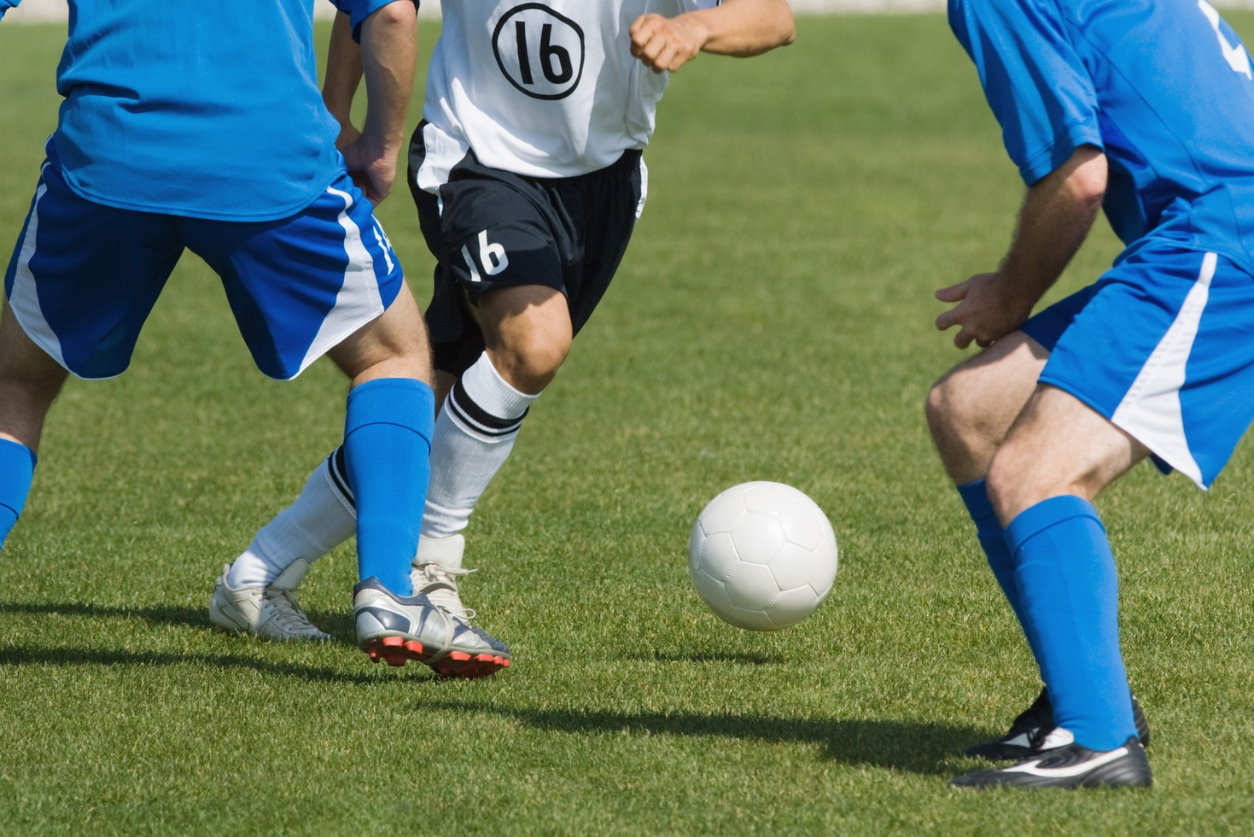
When we think about sports, we often picture star athletes scoring the winning goal or making the final shot. We focus on their physical skills, like speed, strength, and agility. However, there is a hidden force that separates good teams from great ones.
That force is team dynamics. Launch Sports Performance knows that individual talent is not enough. We also work with teams and coaches to build a strong foundation for success. This is where sports psychology comes into play.
Sports psychology is not just for individual athletes who want to improve their focus or calm their nerves. It is a powerful tool for entire teams. It helps players and coaches understand how they interact with each other.
It teaches them how to communicate better, solve problems, and lead by example. In this blog, we will explore how sports psychology can transform a group of individuals into a unified, unstoppable team. We will look at how it improves communication, resolves conflicts, and builds strong leadership skills among players and coaching staff.
The Basics of Team Dynamics
To understand how sports psychology helps teams, we first need to know what team dynamics are. Team dynamics are the unseen forces that influence how a group works together. They include how team members talk to each other, how they handle disagreements, and how they support one another. When team dynamics are positive, the team performs well. When they are negative, the team struggles — even if they have the best players.
A true team is more than just a group of people wearing the same uniform. According to sports psychologists, a successful team has a shared identity. They have common goals and a clear way of communicating. They trust each other and feel connected. This connection is often called team cohesion.
There are two main types of team cohesion. The first is task cohesion. This means the team works well together to achieve their goals on the field or court. They know their roles and execute their plays effectively. The second type is social cohesion.
This means the team gets along well outside of the game. They like each other and enjoy spending time together. Both types of cohesion are important for a team’s success. Sports psychology provides the tools to build and maintain both.
Improving Communication Through Sports Psychology
Communication is the lifeblood of any successful team. Without it, players get confused, mistakes happen, and frustration grows. Sports psychology teaches teams how to communicate clearly and effectively. This is not just about talking loudly on the field. It is about sharing information, listening actively, and giving helpful feedback.
The Role of Emotional Intelligence
One of the key concepts in sports psychology is emotional intelligence. Emotional intelligence is the ability to recognize, understand, and manage our own emotions, as well as the emotions of others. This is a crucial skill for athletes and coaches. During a game, emotions run high. Players feel stress, anger, excitement, and fear. If they cannot manage these emotions, their communication will break down.
Athletes with high emotional intelligence can stay calm under pressure. They can express their feelings in a constructive way, rather than yelling or blaming others. They can also read the emotions of their teammates. If they see a teammate struggling, they know how to offer support and encouragement.
Coaches also need emotional intelligence. A coach who understands their own emotions can communicate their expectations clearly without causing unnecessary stress. They can create an environment where athletes feel safe to speak up and share their ideas. This open communication builds trust and respect between the coach and the players.
Active Listening
Another important communication skill taught in sports psychology is active listening. Active listening means fully focusing on the person speaking, understanding their message, and responding thoughtfully. It is not just waiting for your turn to talk.
Coaches and athletes can practice active listening by making eye contact, nodding, and asking questions. For example, if a player is confused about a play, the coach should listen to their concerns without interrupting. Then, the coach can explain the play again in a different way. This shows the player that their input is valued. It also ensures that everyone is on the same page.
Using “I” Statements
Sports psychology also emphasizes the use of “I” statements in communication. When team members are frustrated, they often use “You” statements, like “You always mess up that pass!” This makes the other person feel attacked and defensive.
Instead, athletes should use “I” statements to express how they feel. For example, they could say, “I get frustrated when the pass is late because it throws off my timing.” This approach focuses on the problem, not the person. It opens the door for a constructive conversation about how to improve. The table below shows the difference between these two approaches.
Resolving Conflicts with Sports Psychology
Conflict is a natural part of any team. When a group of competitive people work closely together, disagreements will happen. Players might argue over playing time, strategy, or mistakes. Coaches and athletes might clash over expectations. However, conflict does not have to be a bad thing. If handled correctly, it can actually make the team stronger.
Sports psychology provides effective strategies for conflict resolution. It teaches teams how to turn disagreements into opportunities for growth and improvement.
Confront the Problem, Not the Person
One of the most important rules of conflict resolution is to confront the problem, not the person. When an argument starts, it is easy to make personal attacks. This only makes the situation worse. Sports psychologists teach athletes and coaches to focus on the specific issue at hand.
For example, if two players are arguing about a missed defensive assignment, they should talk about what went wrong with the play. They should not call each other names or bring up past mistakes. By focusing on the problem, they can work together to find a solution. This approach builds mutual respect and prevents the conflict from damaging their relationship.
Creating a Safe Space for Disagreement
To resolve conflicts effectively, teams need a safe space where they can express their differences. Coaches play a vital role in creating this environment. They must show that it is okay to disagree, as long as it is done respectfully.
Coaches can hold regular team meetings where players can voice their concerns and share their ideas. During these meetings, the coach should listen without judging or getting defensive. They should encourage players to see things from different perspectives. When team members feel heard and understood, they are more likely to compromise and find common ground.
The Danger of Avoiding Conflict
Some teams try to avoid conflict altogether. They ignore problems and pretend everything is fine. Sports psychology warns against this approach. When conflicts are swept under the rug, resentment builds. Small disagreements turn into major issues that can destroy team chemistry.
It is better to address conflicts early, before they get out of hand. Coaches should step in when they see tension between players. They should mediate the discussion and help the players reach a resolution. By dealing with conflicts head-on, the team can move forward with a clear mind and a stronger bond.
Developing Strong Leadership Skills
Leadership is essential for team success. A good leader can motivate their teammates, keep them focused, and guide them through tough situations. However, leadership is not just for the team captain or the coach. Every player on the team can develop leadership skills. Sports psychology offers valuable insights into how to build strong leaders at every level.
Shared Leadership
In the past, teams often relied on one or two star players to lead the way. Today, sports psychologists promote the idea of shared leadership. This means that leadership responsibilities are distributed among all team members.
Different players have different strengths. One player might be a great vocal leader who pumps up the team before a game. Another player might lead by example, working harder than anyone else in practice. A third player might be a quiet leader who offers emotional support to struggling teammates. When a team embraces shared leadership, they become more resilient and adaptable. They do not have to rely on one person to carry the load.
Leading by Example
One of the most powerful forms of leadership is leading by example. Athletes who show up on time, give maximum effort, and maintain a positive attitude inspire their teammates to do the same. Sports psychology teaches athletes that their actions speak louder than their words.
Coaches also need to lead by example. If a coach expects their players to stay calm under pressure, the coach must also stay calm. If a coach wants their players to communicate respectfully, the coach must communicate respectfully. When leaders model the behavior they want to see, the rest of the team will follow.
Empowering Athletes
A great leader does not just tell people what to do. They empower others to make decisions and take ownership of their roles. Sports psychology encourages coaches to give their athletes more responsibility.
For example, a coach might ask the players to help design a new play or plan a team-building activity. When athletes have a say in how the team is run, they feel more invested in its success. They become more motivated and committed to their goals. Empowering athletes also helps them build confidence in their own abilities, which translates to better performance on the field.
Building a Cohesive Team Culture
All of these elements — communication, conflict resolution, and leadership — come together to create a cohesive team culture. A team’s culture is its personality. It is the set of values, beliefs, and behaviors that define who they are. A positive team culture is the foundation of long-term success.
Establishing Shared Values
To build a strong culture, a team must establish shared values. These are the principles that guide their actions and decisions. Sports psychologists often help teams identify their core values at the beginning of the season.
These values might include hard work, respect, accountability, and resilience. Once the values are established, the team must commit to living by them every day. Coaches should praise players who demonstrate these values and hold accountable those who do not. When everyone on the team shares the same values, they develop a strong sense of unity and purpose.
The Importance of Team Building
Team building is another crucial aspect of developing a cohesive culture. Team building activities help players get to know each other outside of their sport. They build trust, improve communication, and create lasting memories.
Sports psychology suggests that team building should be a regular part of a team’s schedule, not just a one-time event. Activities can range from simple icebreakers to complex problem-solving challenges. For example, a team might go on a retreat, volunteer in their community, or participate in a group workout. These experiences strengthen the bonds between teammates and make them more resilient when facing adversity.
Celebrating Success
Finally, a positive team culture celebrates success. This does not just mean celebrating wins on the scoreboard. It means recognizing individual improvements, great effort, and unselfish play.
Coaches should make a point to highlight the positive contributions of every player, not just the stars. When athletes feel appreciated and valued, their motivation increases. Celebrating success also reinforces the team’s shared values and reminds them of what they can achieve when they work together.
Conclusion
At Launch Sports Performance, we know that building a successful team requires more than just physical training. It requires a deep understanding of team dynamics and the psychological factors that drive human behavior. Sports psychology is a vital tool for any team that wants to reach its full potential.
By improving communication, teams can avoid misunderstandings and work together more efficiently. By learning how to resolve conflicts, they can turn disagreements into opportunities for growth. By developing strong leadership skills, they can empower every player to contribute to the team’s success. All of these elements combine to create a cohesive team culture that can withstand any challenge.
Whether you are a coach looking to unite your roster or an athlete wanting to be a better teammate, sports psychology offers the strategies you need. It is time to shift the focus from the individual to the team as a whole. When a group of athletes learns to communicate, trust, and lead together, there is no limit to what they can achieve. Let Launch Sports Performance help your team build the mental strength and unity needed to dominate the competition.
Ready to take your team’s performance to the next level? Contact Launch Sports Performance today to learn how our sports psychology programs can help your team communicate better, resolve conflict, and build lasting leadership skills.